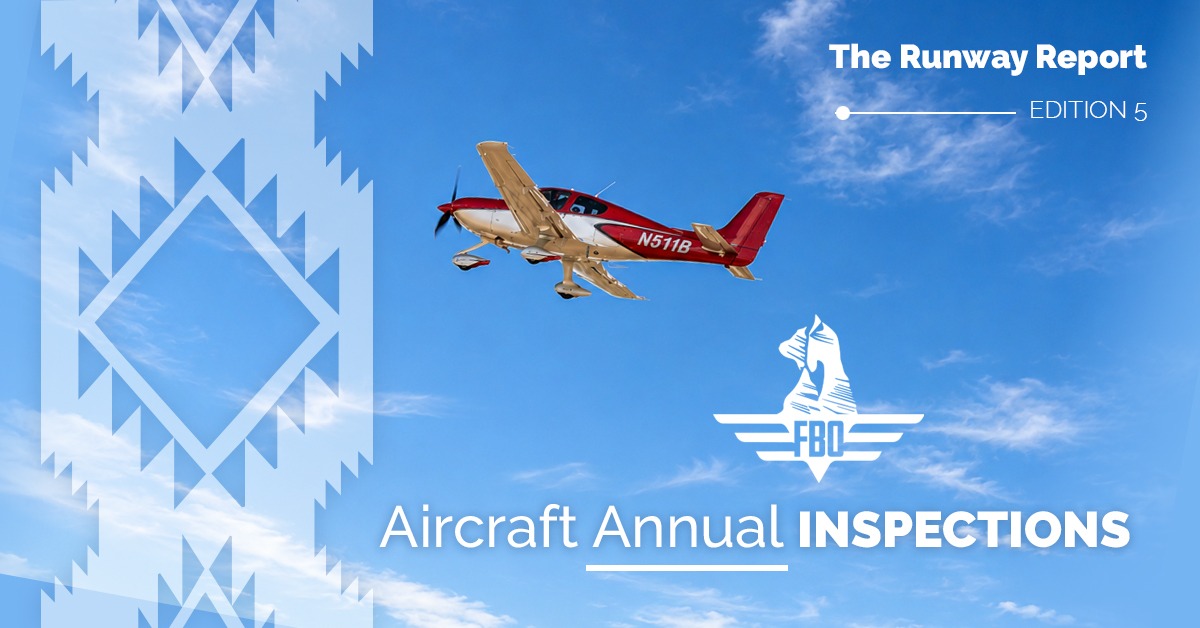
The Runway Report Edition 5: Planning Ahead for Aircraft Annual Inspections Before Year-End in Arizona
Early planning provides more time to organize maintenance records, communicate known discrepancies, identify applicable service items, secure parts, and coordinate an inspection with an appropriately authorized maintenance professional. It can also help prevent an aircraft from being grounded longer than expected because of scheduling congestion or an unanticipated repair.
For pilots and operators traveling through Northern Arizona, coordinating aircraft maintenance in Page, AZ, fuel, aircraft support, and downtime logistics in advance can make the inspection process more manageable.
Understand When Your Annual Inspection Is Due
Under FAA annual inspection requirements in 14 CFR § 91.409, most affected aircraft may not be operated unless they have received an annual inspection within the preceding 12 calendar months and have been approved for return to service by an authorized person. Certain aircraft and operations may be subject to different or additional inspection programs.
The phrase “12 calendar months” is important. If an annual inspection is completed at any point during a particular month, the inspection generally remains current through the final day of that same month the following year.
That does not mean owners should wait until the expiration month to contact a shop or begin looking for an Inspection Authorization mechanic in Arizona. Maintenance facilities and authorized inspectors may already have full schedules, especially around holidays, seasonal travel periods, and the end of the calendar year.
Starting the conversation early gives the owner and maintenance provider time to define the scope of work and identify possible scheduling conflicts before they become operational problems.
Why Year-End Aircraft Inspection Scheduling Can Be Challenging
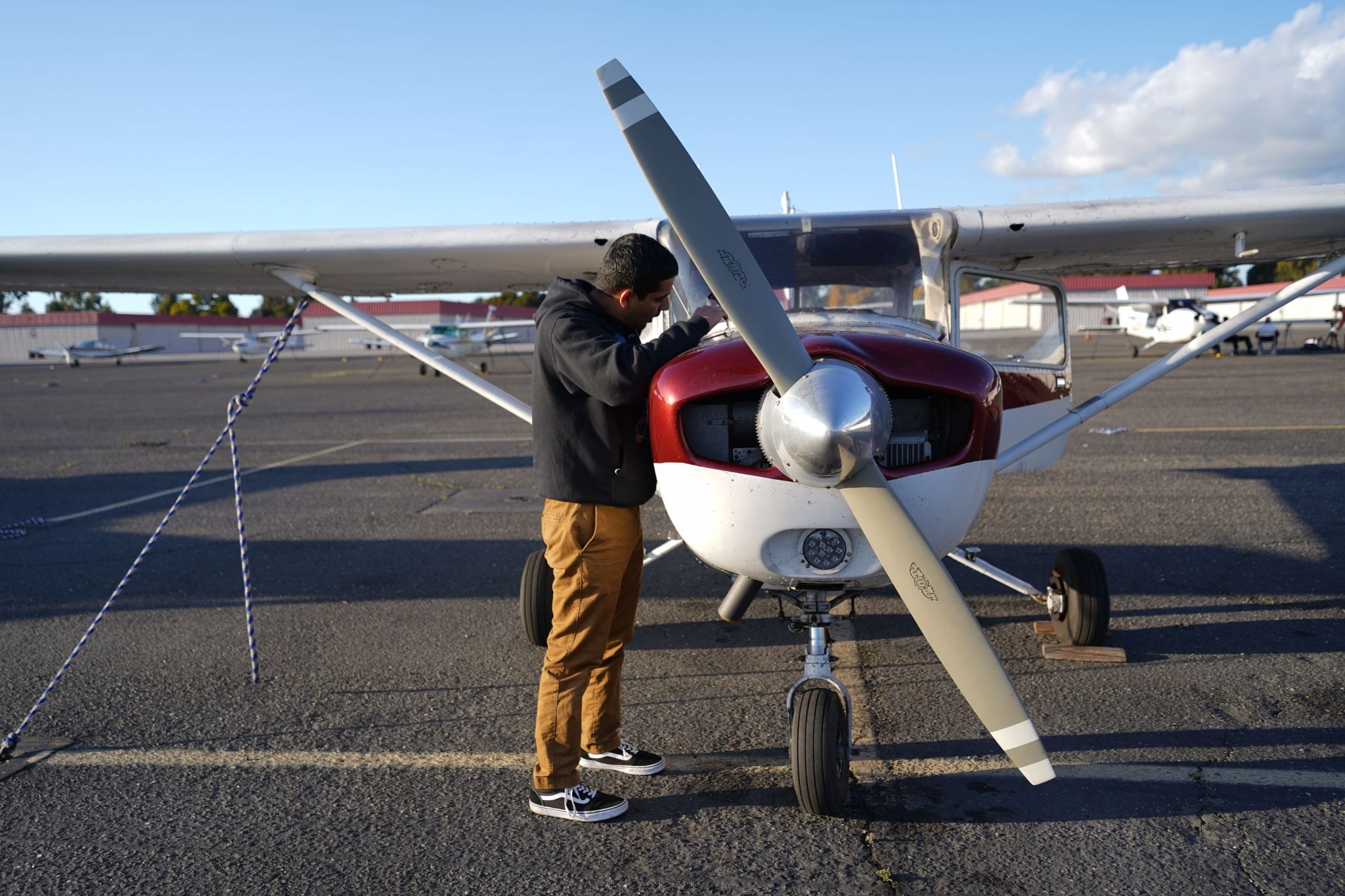
A successful annual aircraft inspection involves more than reserving a date on a calendar. The aircraft may need to remain unavailable while inspection panels and fairings are opened, systems are examined, records are reviewed, and discrepancies are evaluated.
The required scope of annual and 100-hour inspections includes applicable areas such as the fuselage, cabin, flight controls, landing gear, engine, propeller, electrical systems, and installed equipment. The regulation also calls for necessary inspection plates, access doors, fairings, and cowling to be opened or removed as appropriate.
An inspection can uncover issues that were not obvious during routine operation. Corrosion, fluid leaks, worn components, deteriorated hoses, loose hardware, damaged wiring, or incomplete maintenance documentation can all affect the timeline.
Parts availability can create another delay. A common component may be available quickly, while a model-specific or backordered part could extend the aircraft’s downtime significantly. Holiday shipping schedules and reduced year-end staffing can add further complications.
Effective aircraft inspection scheduling should therefore include a reasonable buffer for findings, approvals, parts procurement, repairs, and return-to-service documentation.

Organize Your Aircraft Maintenance Records Early
The FAA’s current guidance for aircraft maintenance records addresses maintenance record-making and recordkeeping requirements under 14 CFR Parts 43 and 91. Complete records help document inspection history, maintenance work, alterations, component times, and regulatory compliance.
Before the inspection, gather and review:
– Airframe logbooks
– Engine logbooks
– Propeller records
– Appliance and component documentation
– Supplemental Type Certificate records
– Major repair and alteration documentation
– Previous annual inspection entries
– Current weight-and-balance information
– Equipment lists
– Airworthiness Directive research
– Records for life-limited components
Missing or disorganized records can make it harder to establish an aircraft’s maintenance status. When possible, provide both the original records and an organized summary of relevant times, recurring inspections, and compliance items.
Good aircraft maintenance planning begins before the aircraft enters the shop.
Review Airworthiness Directives and Recurring Items
Owners and operators are responsible for ensuring their aircraft complies with applicable Airworthiness Directives. The FAA describes ADs as legally enforceable rules issued to address unsafe conditions in aircraft, engines, propellers, and appliances.
The FAA’s Airworthiness Directive resources can help owners and maintenance professionals research current requirements.
However, AD research should not be limited to the aircraft model alone. Applicability may depend on the exact model, serial number, engine, propeller, magneto, seat assembly, installed appliance, or modification.
Before scheduling year-end aircraft maintenance, review:
– Recurring AD inspection intervals
– One-time AD requirements
– Engine and propeller times
– Magneto inspection intervals
– Hose replacement recommendations
– ELT battery expiration dates
– Transponder and altitude-reporting system inspection dates
– Life-limited parts
– Manufacturer service information
– Previously monitored discrepancies
This preparation does not replace the mechanic’s research or inspection. It gives the maintenance team a better starting point and allows owners to anticipate work that may be due soon.
Communicate Known Squawks Before Arrival
Avoid relying on general statements such as “the radio acts strange sometimes.” Explain when the issue occurs, how frequently it happens, which equipment is involved, and whether it changes with engine speed, temperature, vibration, electrical load, or phase of flight.
Useful details might include:
– The right brake feels softer after taxiing
– The oil temperature indication fluctuates during climb
– The landing light operates intermittently
– The cabin heat control is difficult to move
– A radio develops static at a particular engine RPM
– The engine requires more priming during cold starts
– The nosewheel shimmy appears above a certain taxi speed
-Clear communication helps a certified mechanic at KPGA or another authorized maintenance professional begin troubleshooting with better information. It may also allow the provider to order likely parts or reserve specialized equipment before the aircraft arrives.
When seeking a certified mechanic at KPGA, confirm the individual’s certificate privileges and, when required for an annual inspection, current Inspection Authorization status.
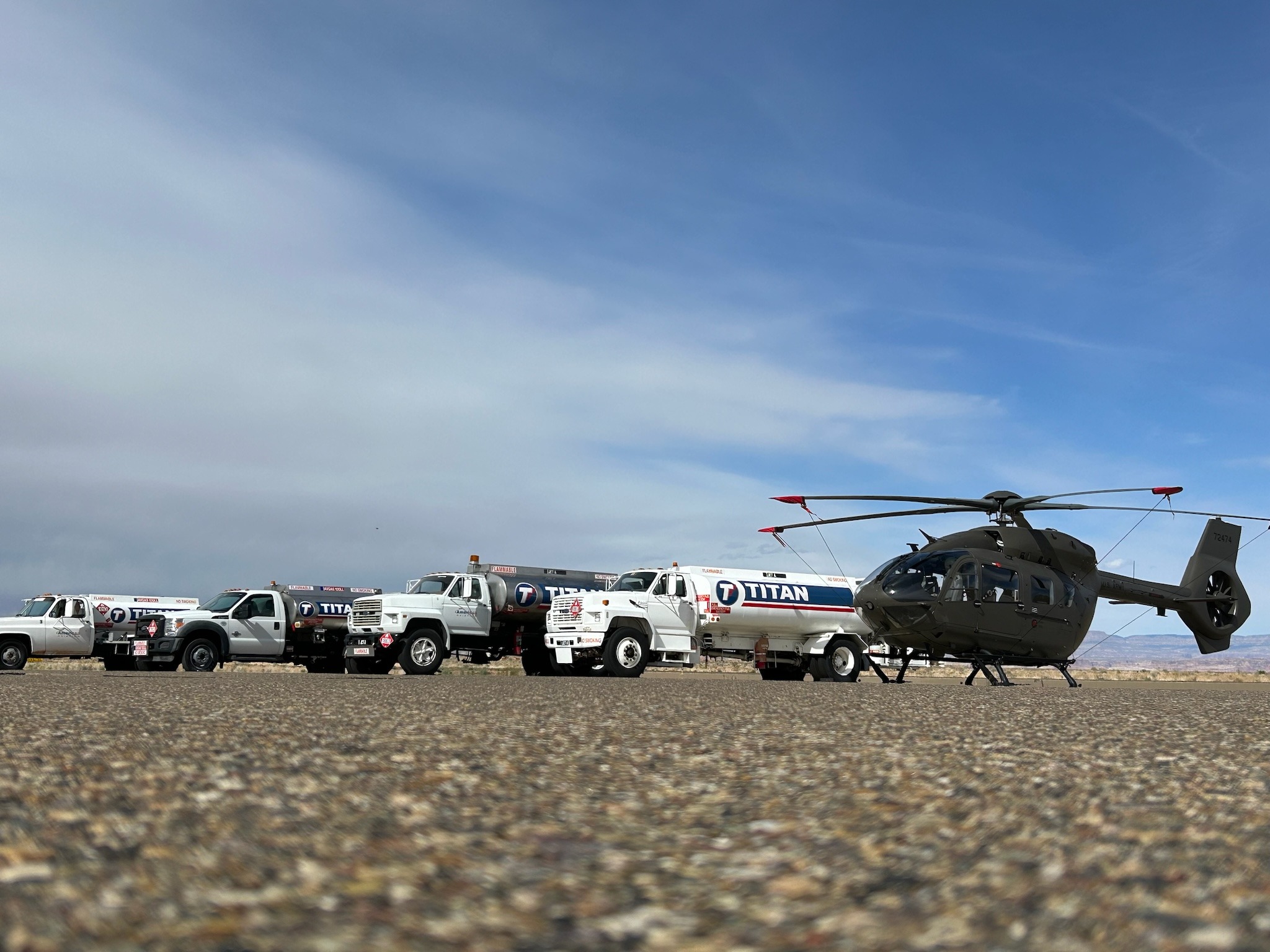
Coordinate Maintenance and FBO Support at KPGA
Owners planning aircraft maintenance at Page Municipal Airport should consider the entire visit, not only the inspection itself.
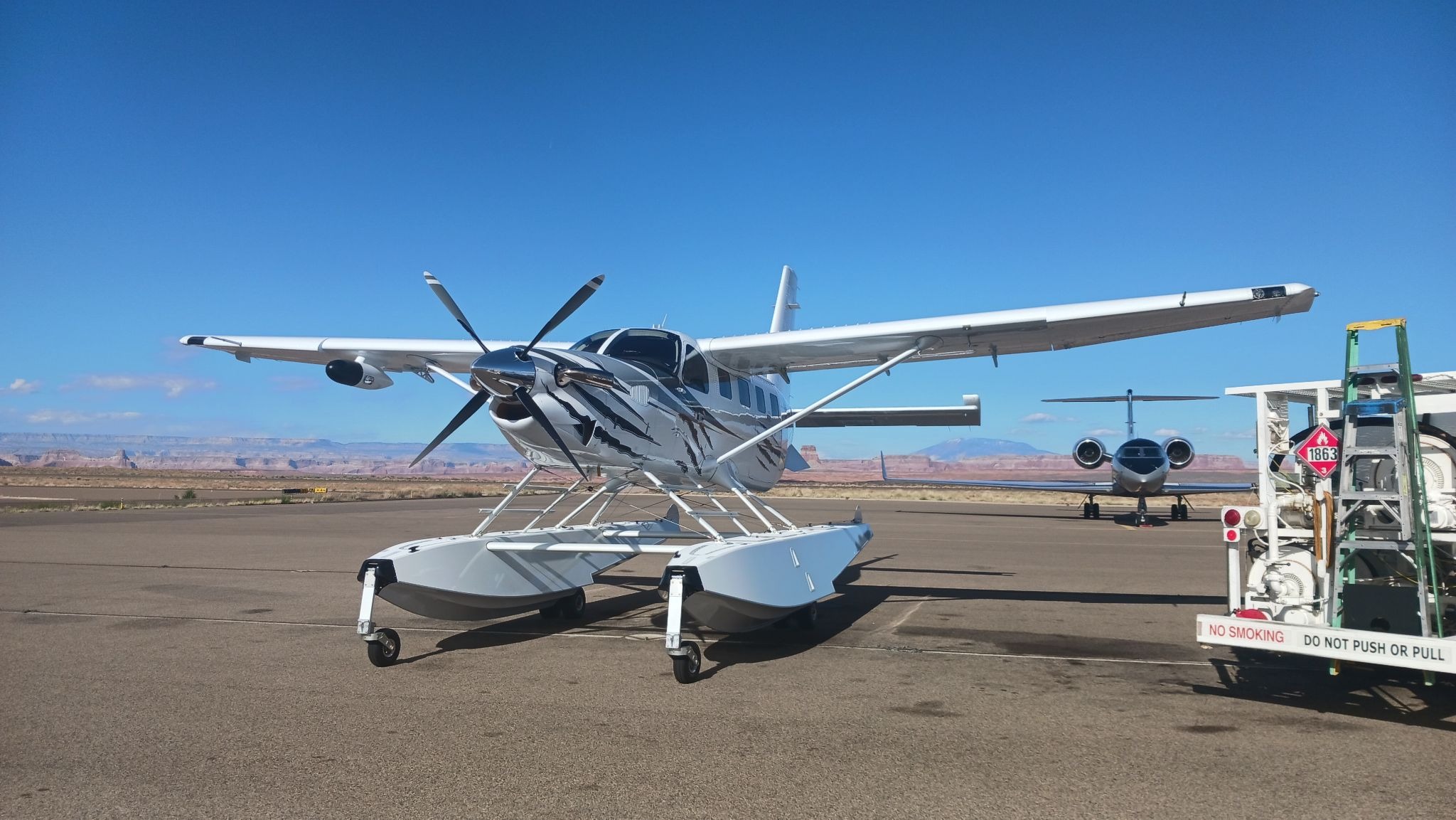
Adventurous FBO provides a range of aircraft maintenance support in Page, Arizona, including services such as oil changes, ground power support, oxygen service, tiedowns, potable-water service, and other aircraft-support options.
Pilots and operators can also review the complete FBO services at Page Municipal Airport when coordinating fuel, ramp support, crew needs, or other details associated with a maintenance visit. Adventurous FBO serves private aircraft owners, pilots, and charter operators traveling throughout the Northern Arizona and Southern Utah aviation corridor.
Before arriving, confirm:
– Current maintenance capabilities
– Mechanic and inspector availability
– Whether outside maintenance providers can be accommodated
– Aircraft parking or tiedown arrangements
– Hangar availability
– Ground power requirements
– Fuel needs
– After-hours or call-out procedures
– Transportation and crew arrangements
Because not every facility performs every type of inspection or repair, owners should confirm capabilities directly rather than assuming a specific service is available.
Plan for Findings, Not Just the Inspection
If discrepancies are found, the owner may need to authorize additional troubleshooting, repairs, replacement parts, or specialized work. Discussing authorization limits before the inspection can prevent confusion and communication delays.
Owners should establish:
– Who can approve additional work
– A spending threshold for automatic authorization
– How estimates will be communicated
– Whether photographs should be provided
– How frequently status updates are expected
– Which discrepancies must be corrected immediately
– Which non-airworthiness recommendations may be scheduled later
A well-planned aircraft annual inspection in Arizona should leave room for informed decisions rather than forcing the owner to make rushed choices under a year-end deadline.
Schedule Your Year-End Aircraft Maintenance Early
The best time to plan an annual inspection is before the inspection month begins.
Organizing records, reviewing recurring requirements, documenting squawks, and contacting maintenance providers early can reduce preventable delays. It also provides more flexibility if the aircraft requires parts, specialized work, or additional downtime.
Pilots looking for aircraft maintenance in Page, AZ, KPGA aircraft maintenance support, or assistance coordinating an upcoming visit can contact the Adventurous FBO team to discuss current service capabilities, aircraft-support options, mechanic availability, and scheduling considerations.
For more practical aviation guidance, seasonal operating information, and updates from Page Municipal Airport, visit The Runway Report.
Plan before the calendar becomes a constraint. Early coordination can help keep your inspection organized, your maintenance decisions informed, and your aircraft ready for its next mission.