

The Runway Report Edition 6: Fall Flying in Southern Utah & Northern Arizona: Best Airports & Destinations
For pilots planning fall flying Arizona adventures or a longer cross-country flight Southwest, the Page area offers a natural starting point. From Page Municipal Airport (KPGA), pilots can build trips around Lake Powell and Glen Canyon, then continue into Southern Utah toward destinations such as Bryce Canyon, Kanab, Cedar City, and St. George.
The scenery may be a major part of the appeal, but fall flying in this region still deserves deliberate planning. Terrain, airport elevation, changing daylight, winds, temperatures, and fast-moving seasonal weather can all influence how a seemingly simple recreational trip comes together.
Why Fall Is a Standout Season for Flying the Southwest
The Southwest is known for summer flying, but fall can offer a compelling combination of scenery and seasonal conditions.
As temperatures moderate from midsummer levels, pilots may see more favorable aircraft performance than during the hottest part of the year. That does not eliminate density-altitude considerations, especially at higher-elevation airports. Field elevation, actual temperature, aircraft loading, runway requirements, and climb performance still deserve the same disciplined calculations before departure.
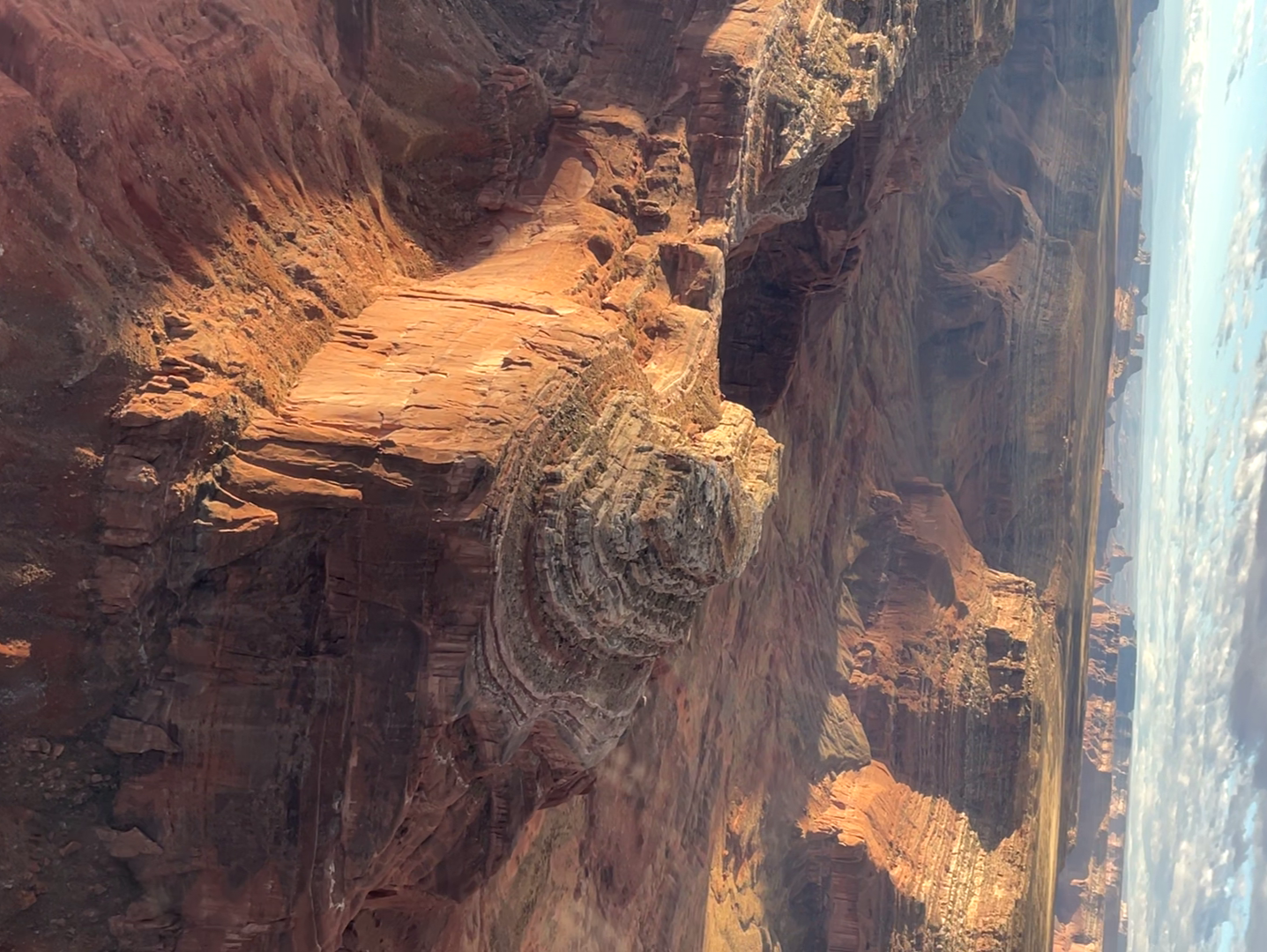
Fall also changes the visual character of the region. Desert reds and oranges remain prominent at lower elevations, while portions of Utah’s higher country can add seasonal color to the landscape. Bryce Canyon National Park, for example, sits in Utah’s high country and provides access to one of the state’s most distinctive landscapes. The National Park Service provides current information for pilots and travelers considering a visit to the Bryce Canyon region.
There is a tradeoff to the season. Daylight becomes increasingly limited as fall progresses, and high-elevation weather can change more quickly than conditions around the lower desert. That makes timing individual legs particularly important.
Page Municipal Airport (KPGA): A Natural Hub for a Southwest Flying Trip
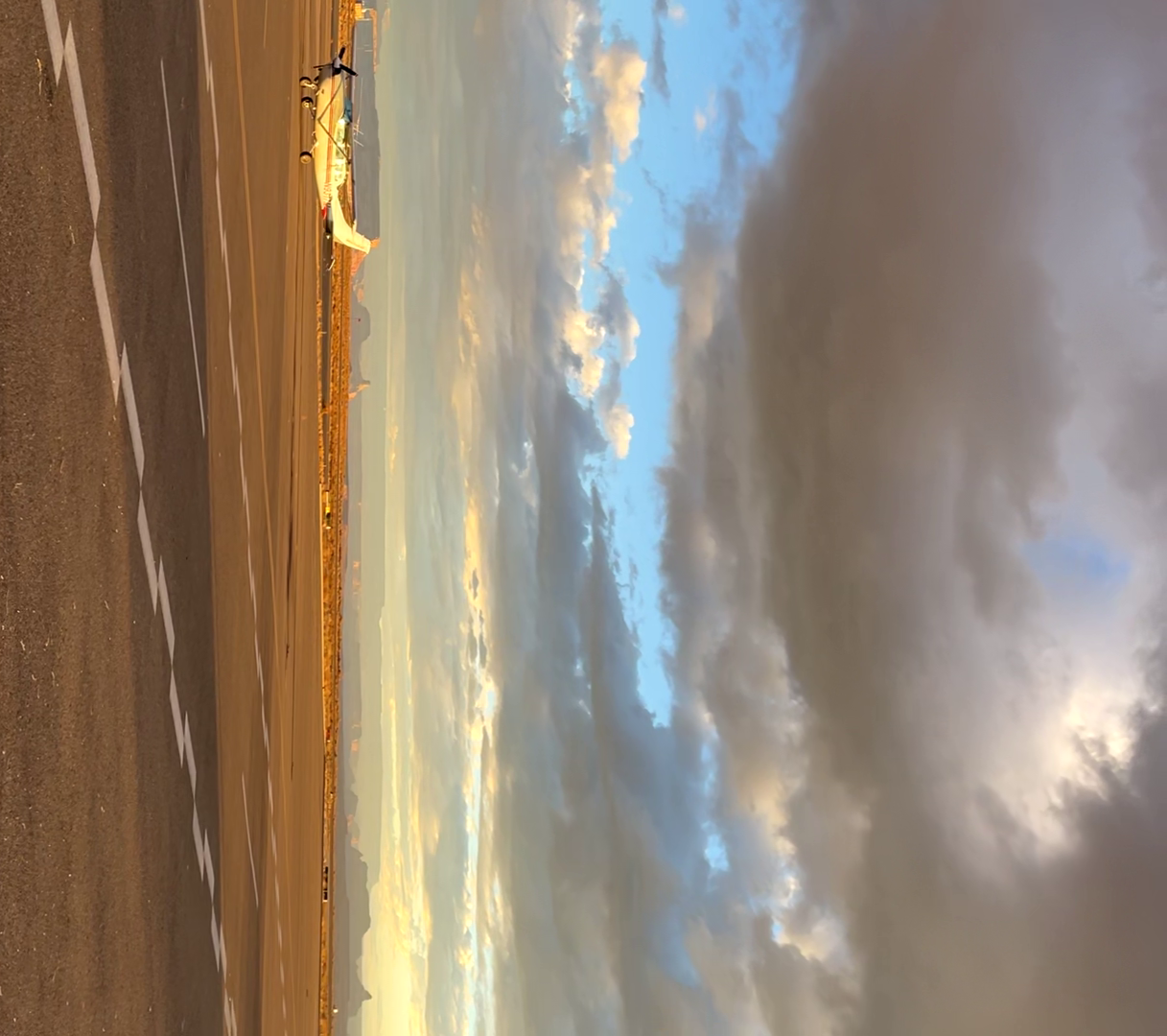
For pilots exploring Northern Arizona and Southern Utah, Page Municipal Airport provides a central location in one of the Southwest’s most recognizable recreation regions. The airport is identified by the FAA as Page Municipal Airport, PGA/KPGA.
Nearby Glen Canyon National Recreation Area stretches through Northern Arizona and Southern Utah and encompasses Lake Powell and extensive surrounding backcountry. That makes Page more than a convenient fuel stop. It can serve as the destination itself or as a staging point for a larger cross-country flight Southwest itinerary.
At KPGA, Adventurous FBO’s services include Jet A and Avgas fueling, ground handling, flight-planning support, pilot amenities, concierge assistance, and catering. The FBO specifically serves pilots, aircraft owners, charter crews, and travelers operating throughout the Northern Arizona and Southern Utah corridor.
For pilots stopping between longer legs, the combination of fuel and ground support can make Page practical for either a quick turn or an overnight stay. Travelers extending their visit can also explore Adventurous FBO’s local recommendations for businesses in Page, including dining, accommodations, and area activities curated for pilots, crews, and visitors.
The location also puts pilots within reach of destinations associated with Lake Powell, Glen Canyon, and the broader Grand Circle region.
Southern Utah Aviation Destinations Worth Adding to the Route
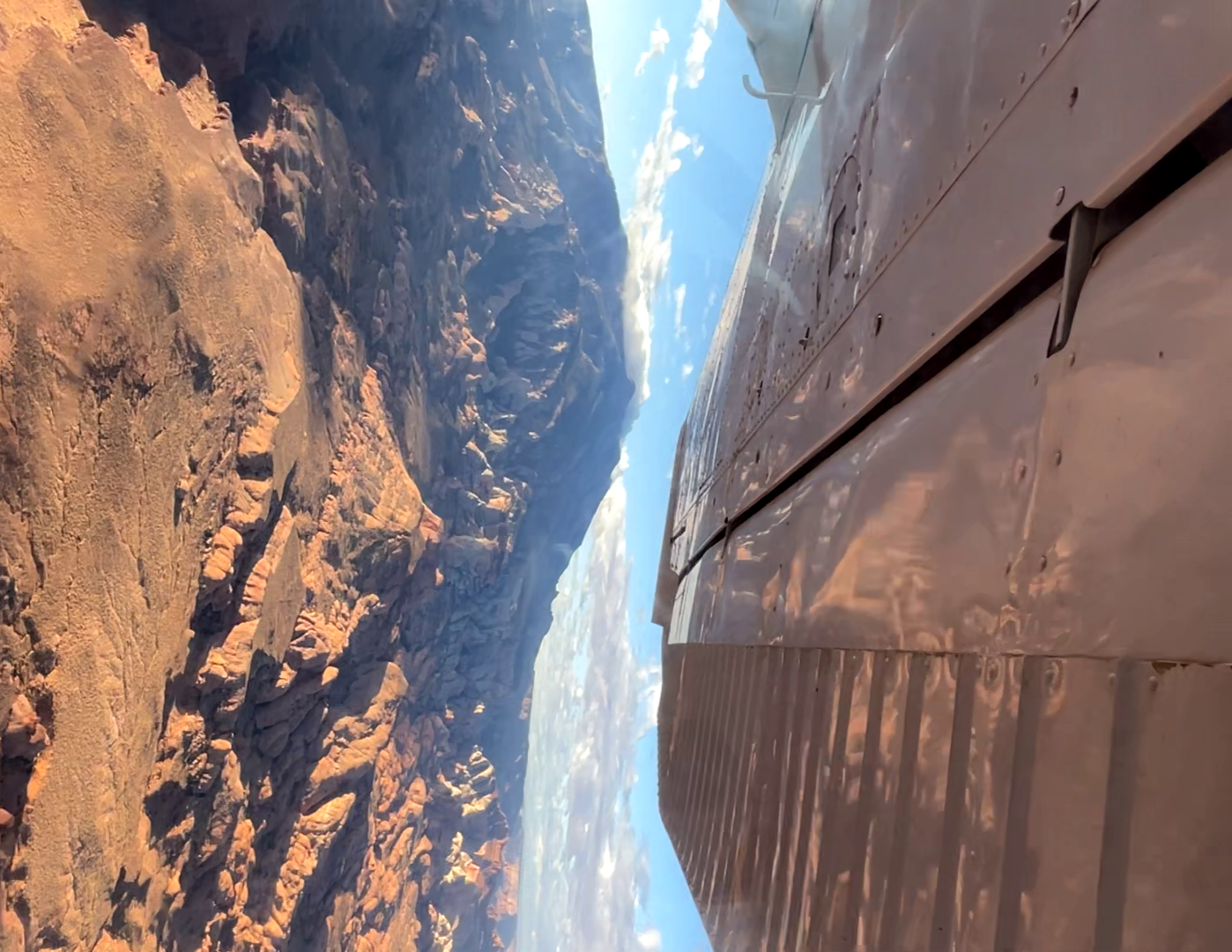
Southern Utah gives pilots several options for turning a single destination flight into a multi-stop regional trip. Rather than treating these airports as a fixed route, consider them building blocks that can be selected according to weather, aircraft capability, trip length, and ground plans.
Bryce Canyon Airport (KBCE)
Bryce Canyon Airport is identified by the FAA as BCE/KBCE and provides an aviation gateway to one of Southern Utah’s best-known national parks.
For pilots interested in Utah aviation destinations, the Bryce area offers a significant contrast to the terrain around Page. Elevation increases considerably as pilots move into Utah’s high country, so the operational picture can change even over a relatively short regional trip.
Fall can also bring colder mornings, stronger temperature variation, and an earlier transition toward winter conditions at higher elevations. Pilots should treat those differences as operational considerations rather than assuming conditions at Page will accurately represent conditions near Bryce.
Kanab Municipal Airport (KKNB)
Kanab Municipal Airport is identified by the FAA as KNB/KKNB. Located in southern Utah near the Arizona border, Kanab can fit naturally into a trip connecting Page with Utah’s canyon country.
For pilots designing shorter regional loops, Kanab offers another option without requiring the entire trip to revolve around larger regional airports. It can also work well as part of an itinerary focused on the landscapes between Northern Arizona and Southern Utah rather than simply traveling from one major city to another.
Cedar City Regional Airport (KCDC)
Farther west, Cedar City Regional Airport is identified by the FAA as CDC/KCDC.
Cedar City can be useful for pilots building a longer Southern Utah route, particularly those interested in the state’s higher-elevation scenery. It also provides another logical jumping-off point for ground travel toward the surrounding region.
This portion of a fall trip deserves particular attention to terrain, winds aloft, and changing weather. Mountain and plateau environments can produce very different conditions from those encountered around Page earlier in the day.
St. George Regional Airport (KSGU)
St. George Regional Airport, identified by the FAA as SGU/KSGU, provides another option farther into southwestern Utah.
Pilots interested in visiting Zion National Park may choose to build St. George into their itinerary. The National Park Service identifies Springdale as the community adjacent to Zion Canyon and provides current travel information through its Zion National Park visitor resources.
For a longer cross-country flight Southwest, combining Page with one or more Southern Utah airports can turn a single out-and-back flight into a broader regional trip.
Building a Fall Cross-Country Route Through Arizona and Utah
One of the advantages of this region is flexibility. A trip does not need to follow a rigid sightseeing route to take advantage of the geography.
A sample sequence could look like:
Page (KPGA) → Bryce Canyon (KBCE) or Kanab (KKNB) → Cedar City (KCDC) or St. George (KSGU)
From Page, pilots can also plan ground time around Lake Powell and Glen Canyon before continuing north or west. Those interested in the broader Four Corners region may consider incorporating Monument Valley into their travel plans. The area is managed as part of the Navajo Nation’s tribal park system, and current visitor information is available through Navajo Nation Parks & Recreation.
The sequence above is best viewed as inspiration, not flight-planning guidance. Actual routing, cruising altitude, terrain clearance, fuel stops, weather avoidance, airspace, and alternates should always be based on current charts, aircraft performance, prevailing conditions, and pilot judgment.
Fall Flight-Planning Considerations for the Colorado Plateau
Experienced pilots know that the distances between airports tell only part of the story in this region.
Expect Meaningful Elevation Changes
Moving between Page, Southern Utah’s lower country, and airports near higher plateaus can produce meaningful changes in aircraft performance. Cooler fall temperatures may help compared with peak summer, but elevation, loading, runway length, and winds still need to be evaluated airport by airport.
Watch the Clock as Closely as the Distance
Fall days become shorter quickly. A multi-stop trip that feels comfortable on the schedule in early September can look very different later in the season.
If the itinerary includes ground excursions, meals, fuel stops, or passenger activities, build those into the daylight calculation rather than evaluating flight time alone.
Think Beyond Surface Wind
Plateaus, ridges, canyon systems, and uneven terrain can create conditions that are not obvious from a single airport observation. Winds aloft and the relationship between wind direction and terrain can matter significantly when selecting routes and altitudes.
Expect Larger Temperature Swings
Cool mornings can transition into substantially warmer afternoons, particularly at lower elevations. A trip involving several airports can therefore expose the aircraft to different performance conditions throughout the same day.
Verify Fuel and Services Before Each Leg
Smaller regional airports may not offer the same services, staffing, or operating hours pilots expect at larger facilities. Calling ahead can prevent a fuel assumption from becoming a schedule problem.
Pilots can use the FAA’s Chart Supplement search to review published airport information and should confirm current NOTAMs, weather, TFRs, fuel availability, and local operating information before departure.

Make Page Part of Your Fall Flying Arizona Itinerary
The appeal of fall flying Arizona and Southern Utah goes well beyond one landmark or one airport. The region gives pilots the opportunity to combine red-rock terrain, high-country destinations, national parks, small aviation communities, and memorable cross-country legs into a single trip.
Page Municipal Airport puts pilots near the center of that experience.
Whether KPGA is your destination, your first stop before exploring Utah aviation destinations, or simply a well-positioned fuel and support stop during a longer cross-country flight Southwest, Adventurous FBO is ready to help keep your arrival and departure organized.
Review our FBO services at Page Municipal Airport, explore local recommendations in Page, or contact Adventurous FBO and submit your arrival information before your next flight into KPGA. Adventurous FBO’s contact page includes a dedicated Pilot Arrival Form for crews and pilots planning their stop.
For more regional flying, maintenance, safety, and pilot-focused information, continue exploring The Runway Report.