

The Runway Report Edition 7: What First-Time Pilots Should Expect When Landing at KPGA
For pilots planning on landing at KPGA, knowing what to expect before arrival can make the trip easier from initial flight planning through fueling, ground transportation, and departure. As a locally based FBO team serving Page Municipal Airport every day, we see everything from quick fuel stops to multi-day visits, and a little preparation goes a long way.
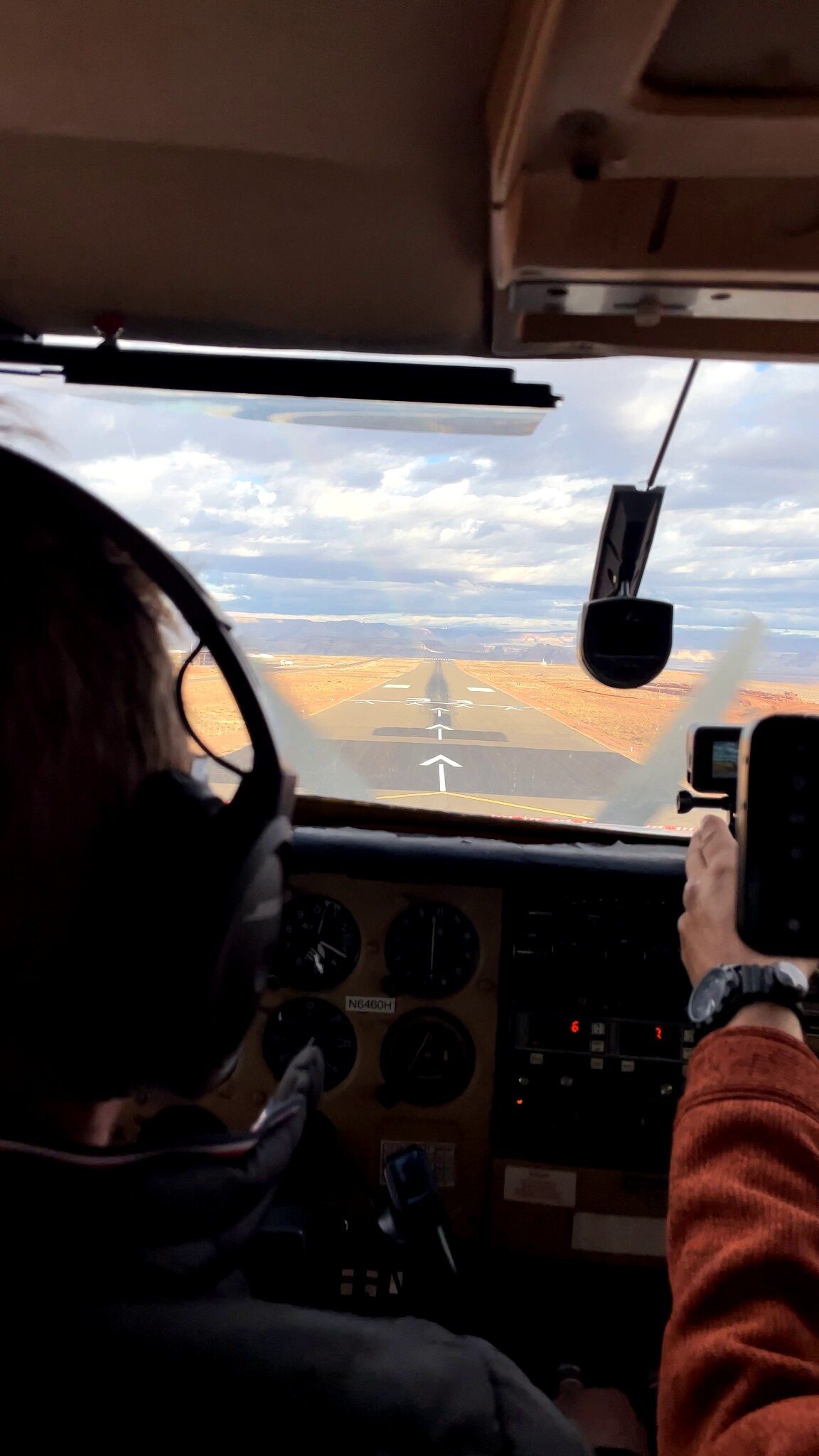
Before Your First Flight Into Page Municipal Airport
Page Municipal Airport sits at approximately 4,316 feet above sea level and operates without a control tower. Current airport information lists CTAF/UNICOM on 122.8 and ASOS on 120.625. Pilots should verify all frequencies, airport information, charts, procedures, weather, and NOTAMs using current official sources before every flight.
That elevation is an important part of planning a flight into Northern Arizona. Aircraft performance can change considerably with temperature, elevation, loading, and atmospheric conditions, so density altitude and performance calculations deserve particular attention.
Weather can also shift the experience from one visit to the next. Checking the Aviation Weather Center before departure can help pilots build a more complete picture of current and forecast conditions. Pilots should also review current FAA NOTAM information as part of their normal preflight process. The FAA emphasizes that NOTAMs communicate abnormal conditions, changes, hazards, and other information important to flight operations.
This guide is designed to help with the overall arrival experience, but it should never replace current FAA publications, flight planning resources, or pilot decision-making.
What to Expect When Arriving at KPGA
For pilots accustomed to towered airports, one of the first differences at Page is the non-towered environment. Staying ahead of the aircraft, monitoring the appropriate frequency, maintaining situational awareness, and following current published procedures are all important parts of a smooth arrival.
Page Municipal Airport is located about one mile east of the City of Page, making the transition from aircraft to town relatively quick once you are on the ground. The airport occupies more than 500 acres and serves both general aviation and scheduled airline traffic.
For the most current local airport information, pilots can review the City of Page’s Page Municipal Airport information along with official FAA resources during flight planning.
The surrounding landscape is one of the features that makes flying into Page distinctive, but it also reinforces the importance of arriving prepared. Northern Arizona’s elevation, desert conditions, winds, temperatures, and terrain all belong in the preflight conversation.

Arriving at Adventurous FBO
Once you are on the ground, our goal is to make the rest of the stop straightforward.
Adventurous FBO is based directly at Page Municipal Airport and supports private pilots, aircraft owners, charter operators, crews, and passengers traveling through KPGA. Our team handles both brief technical stops and longer visits, so service can be coordinated around the needs of the particular flight.
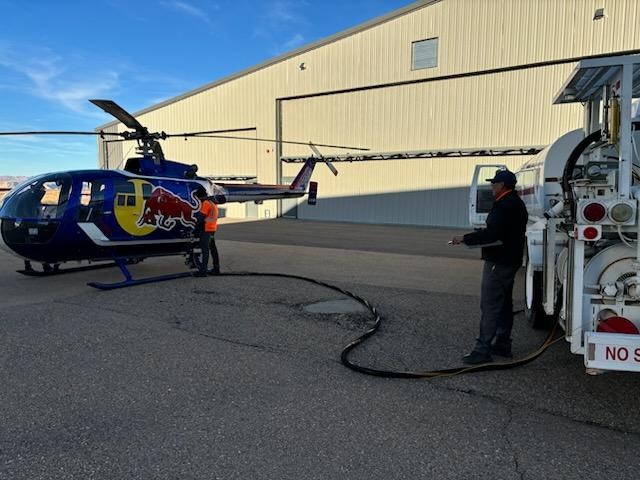
Pilots can review our FBO services at Page Municipal Airport before arrival. Available support includes Jet A and Avgas fueling, ground handling, flight-planning support, pilot amenities, concierge services, and catering.
For first-time arrivals in particular, advance communication can help. If you already know your expected arrival time, fuel requirements, passenger needs, or other ground-service requests, submitting our pilot arrival form gives the team an opportunity to prepare before you reach the ramp.
We currently list UNICOM 122.80 and Adventurous FBO’s dedicated frequency of 131.30. As with all operational information, pilots should confirm current frequencies and airport data before flight.
Fuel, Aircraft Support, and Pilot Amenities in Page
A first visit to a new airport is easier when you know the ground support you need will be available.
Our FBO services in Page, Arizona are designed around the practical needs that come up during both short stops and longer stays. Fuel is often the first priority, but pilots may also need tiedowns, ground power, oxygen, potable water, lavatory service, or other aircraft support.
Our aircraft and ground support services include tiedowns, GPU service, oxygen service, potable water and additional assistance for aircraft traveling through Page.
Inside the FBO, the focus shifts from the aircraft to the people flying it. Pilot facilities and crew accommodations give crews a place to reset, take care of planning, and prepare for the next leg rather than treating every fuel stop as a race back to the cockpit.
For crews or passengers continuing on after Page, Adventurous FBO also coordinates catering and grocery pickup in Page. Grocery requests can be arranged before arrival so needed items are ready when the aircraft reaches KPGA.
Staying in Page After You Land
Not every arrival at KPGA is simply a fuel stop.
Page sits near Lake Powell and at the center of a region filled with destinations pilots and passengers travel from around the country to experience. The City of Page highlights the airport’s proximity to Lake Powell and its position within the Grand Circle, which includes destinations such as the Grand Canyon, Bryce Canyon, Monument Valley, Zion National Park, and Arches National Park.
That makes KPGA a practical starting point for much more than aviation alone.
When passengers or crews are staying in town, our team can help make the transition from ramp to destination easier. Adventurous FBO maintains a local guide to places to eat, stay, shop, and explore in Page, including nearby recreation, dining, shopping, and visitor resources.
Whether Page is the destination or one stop in a longer Southwest itinerary, knowing the ground plan before touchdown can save time after arrival.
Planning Your Departure From KPGA
Before departure, pilots should review current weather, NOTAMs, aircraft performance, fuel requirements, and applicable procedures for the next leg. Because conditions can change, especially across high-desert environments, information used for the inbound flight should not automatically be assumed to remain current for departure.
If fuel, catering, ground service, or other assistance will be needed before leaving Page, communicating those requirements early gives our team more time to have everything ready when the aircraft is.
For pilots continuing through Northern Arizona, Southern Utah, or elsewhere in the Southwest, that preparation can turn KPGA into an efficient stop rather than another variable in the trip.
Make Your First Arrival at KPGA an Easy One
For pilots researching a Page, AZ airport guide before their first visit, the most important takeaway is simple: Page is a rewarding place to fly, and preparation matters.
Account for the airport’s elevation and conditions. Review current FAA information, weather, and NOTAMs. Know what you will need once you are on the ground. And when possible, give the FBO team advance notice so fuel, aircraft support, transportation, catering, or other requests can be coordinated around your arrival.
At Adventurous FBO, we work with pilots and crews at Page Municipal Airport every day. Whether your first time landing at KPGA is a quick fuel stop, a business trip, or the beginning of a visit to Lake Powell and the surrounding region, our team is here to help make the ground portion of the flight as smooth as possible.
Planning your first flight into Page? Let the Adventurous FBO team know you’re coming and tell us what support you will need at KPGA.
For additional flying tips, seasonal considerations, and aviation resources from our team in Page, explore The Runway Report.